Updated · Comicpix (Meezyo LLC) · About
Comic formats, explained
Manga vs manhwa vs webtoon: what’s the difference?
Manga, manhwa and manhua tell you where a comic comes from; webtoon tells you how it is made to be read. Here is each one, side by side, with the sources.
Your cover preview is free
What’s the difference between manga, manhwa and webtoon?
Manga comes from Japan, manhwa from Korea and manhua from China: the three words name where a comic comes from. Japanese manga is usually printed in grayscale and read from right to left, on the page and in the panels, while Korean manhwa is often printed in color and read from left to right. Webtoon is a different kind of word: it names a format, comics made for the internet and read as one long scroll instead of one page at a time.
That is why manhwa and webtoon overlap instead of competing. Manhwa says a comic is Korean; webtoon says it was made to be scrolled on a screen, so a Korean web comic is both. The table below puts all four side by side, with the sources we used.
Comicpix, which makes this page, draws comics in the manga, manhwa and manhua styles, among others. On the web, it doesn’t make webtoons: there is no vertical-scroll webtoon format, and you read each comic page by page, online or as a PDF.
Manga, manhwa, manhua and webtoon side by side
Four words compared on origin, color, reading order and format, with how Comicpix handles each. Comicpix makes the last row; the other rows come from the sources under the table.
| Manga | Manhwa | Manhua | Webtoon | |
|---|---|---|---|---|
| Where it comes from | Japan | Korea | China | A format, not a country: comics made for the internet |
| What the word tells you | Where the comic is from | Where the comic is from | Where the comic is from | How it is published and read |
| Color | Usually printed in grayscale | Often printed in color | No single rule in the sources below | No single rule in the sources below |
| Reading order | Right to left, on the page and in the panels | Often left to right | No single rule in the sources below | Top to bottom, as one long scroll |
| Format | Printed pages | Printed pages, or a webtoon when made for the web | No single rule in the sources below | One long strip instead of separate pages |
| In Comicpix, on the web | Manga style: black and white, drawn as pages | Manhwa style: full color, drawn as pages | Manhua style: full color, drawn as pages | Not available: there is no vertical-scroll format |
Sources (checked ):
- Miami Dade College Learning Resources, “Manga 101” (Graphic Novels and Comics library guide, last updated 2026-10-08)
- Korea.net (official website of the Republic of Korea), “Korean webtoons entertain the world” (2016-03-03)
- The Korea Times, Min Seong-jae, “Webtoon, global platform” (opinion, 2024-05-07): the vertical scrolling format
Manga: comics from Japan
Manga is the word for comics from Japan. In print it usually comes in grayscale and reads from right to left, on the page and inside the panels, so a reader used to English books starts from what feels like the back cover.
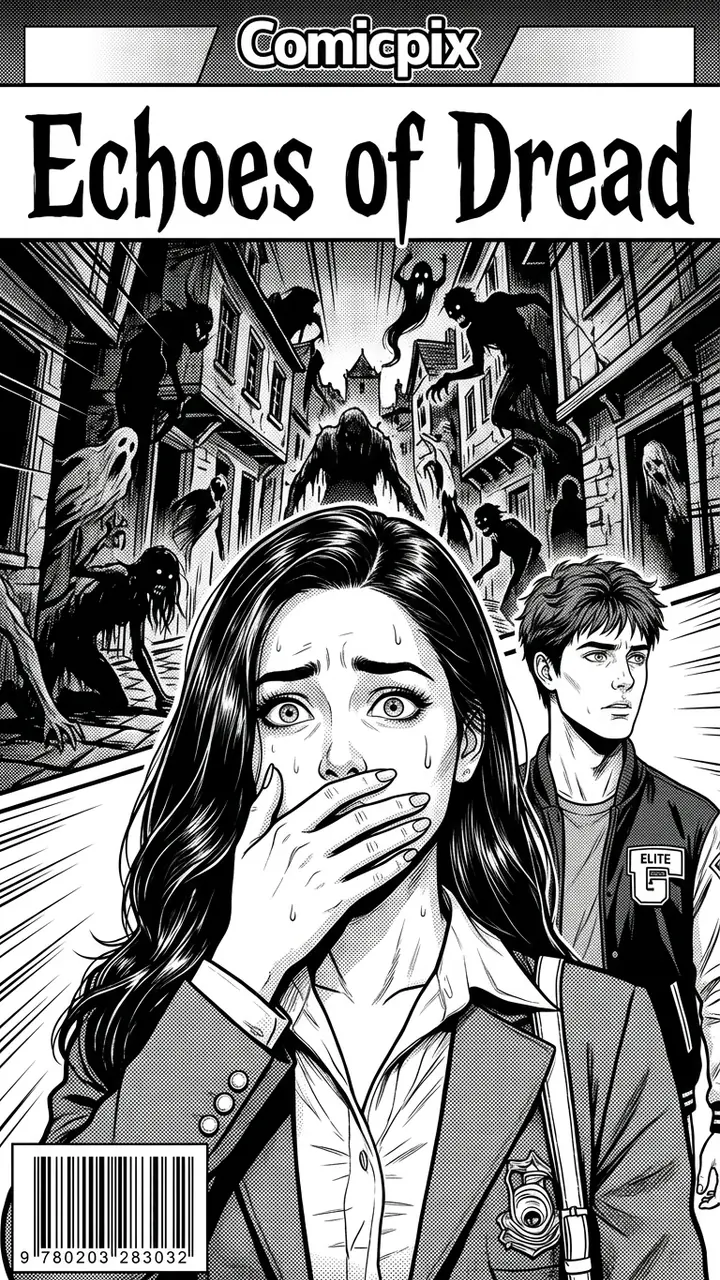
In Comicpix, manga is a drawing style rather than a reading format: black-and-white ink with crisp lines, screentone shading and speed lines, with expressive faces and dynamic angles. The make a manga of yourself page shows two black-and-white examples page by page, a night-market fantasy and a wordless school horror.
Manhwa: comics from Korea
Manhwa is the word for comics from Korea. In print, manhwa is often in color and reads from left to right, the same direction as an English comic. Korean comics made for the internet are called webtoons, which is where the two words meet (more on that below).
Comicpix’s manhwa style is full color: clean line art, soft gradients, glossy lighting and elegant proportions, drawn as pages. On photo to manhwa, a couple’s comic shows the cover drawn from two sample photos.
Manhua: comics from China
Manhua is the word for comics from China. The library guide we used defines it by where it comes from and gives no single rule for its color or reading order, so this page doesn’t invent one; check the book or app you’re reading.
Comicpix’s manhua style is full color, with luminous, painterly coloring, graceful figures, flowing hair and fabric and an ethereal glow, in grand, cinematic compositions. “The Ember Crown”, a fantasy where the hero rides an ember dragon over a sky kingdom, is drawn in it, and the photo to comic page shows that cover next to the sample photo it came from.
Webtoon: a format, not a country
A webtoon is a comic made for the internet. The word was coined to tell comics made for the web apart from comics made for print, and because a web page can run as long as the story needs, an episode reads as one long scroll on a phone instead of one paper page at a time.
So “manhwa vs webtoon” isn’t an either-or. A Korean comic can be manhwa by origin and a webtoon by format; a Korean comic made for print is manhwa but not a webtoon.
On the web, Comicpix doesn’t make webtoons: there is no vertical-scroll webtoon format. If it’s the Korean-comic look you’re after, the manhwa style draws it in full color on pages you read one at a time, online or as a PDF; if you need a long vertical strip to post episode by episode, Comicpix on the web is the wrong tool.
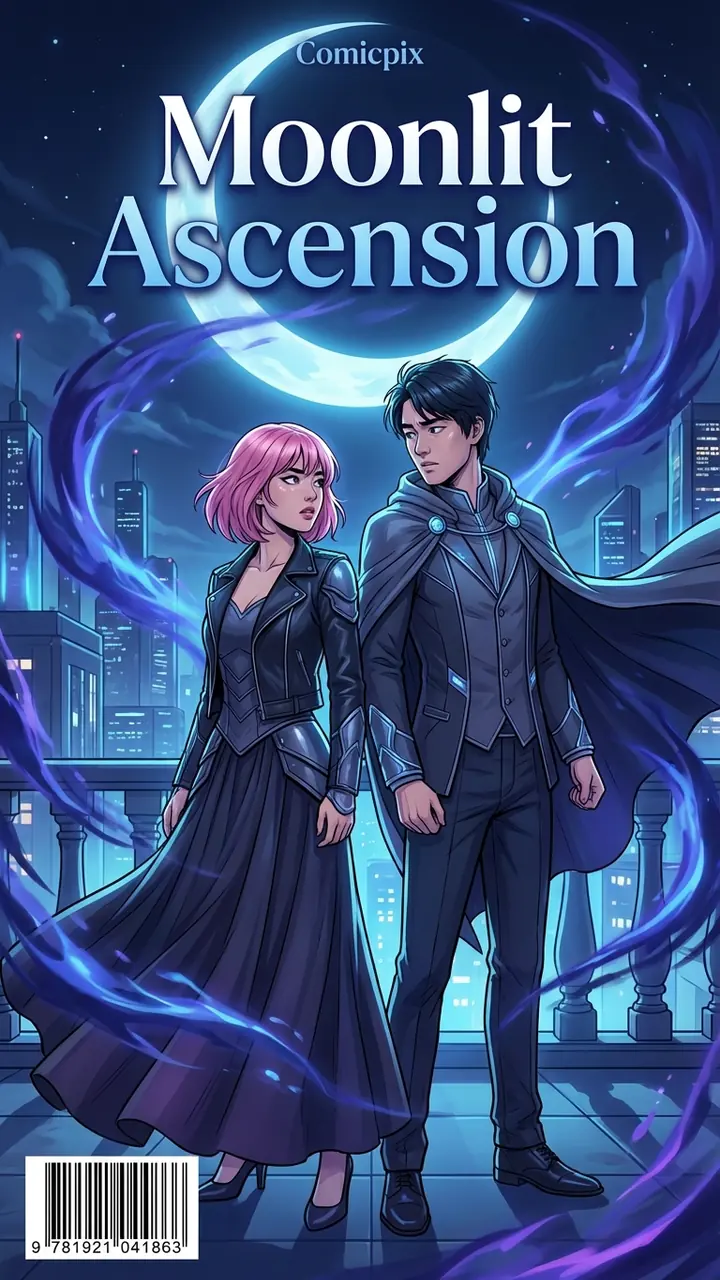
A manhwa drawn as pages: “Moonlit Ascension”
From the Comicpix app’s story catalog, in the manhwa style: a romance fantasy under a full moon, shown from the cover to page 4. Each drawing is a full page with its own panels, not a slice of one long scroll. Your comic starts from your photo instead.
Manhwa · starring Lia & Saint · See the whole example
Cover 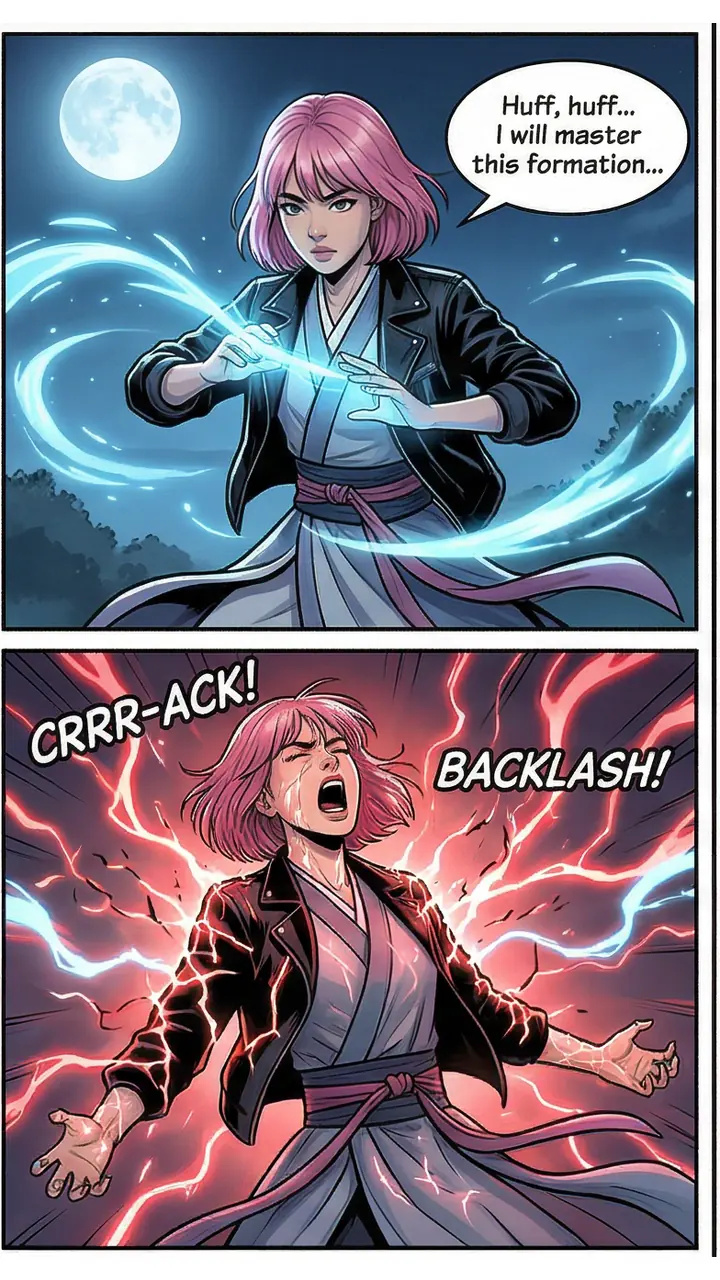
Page 1 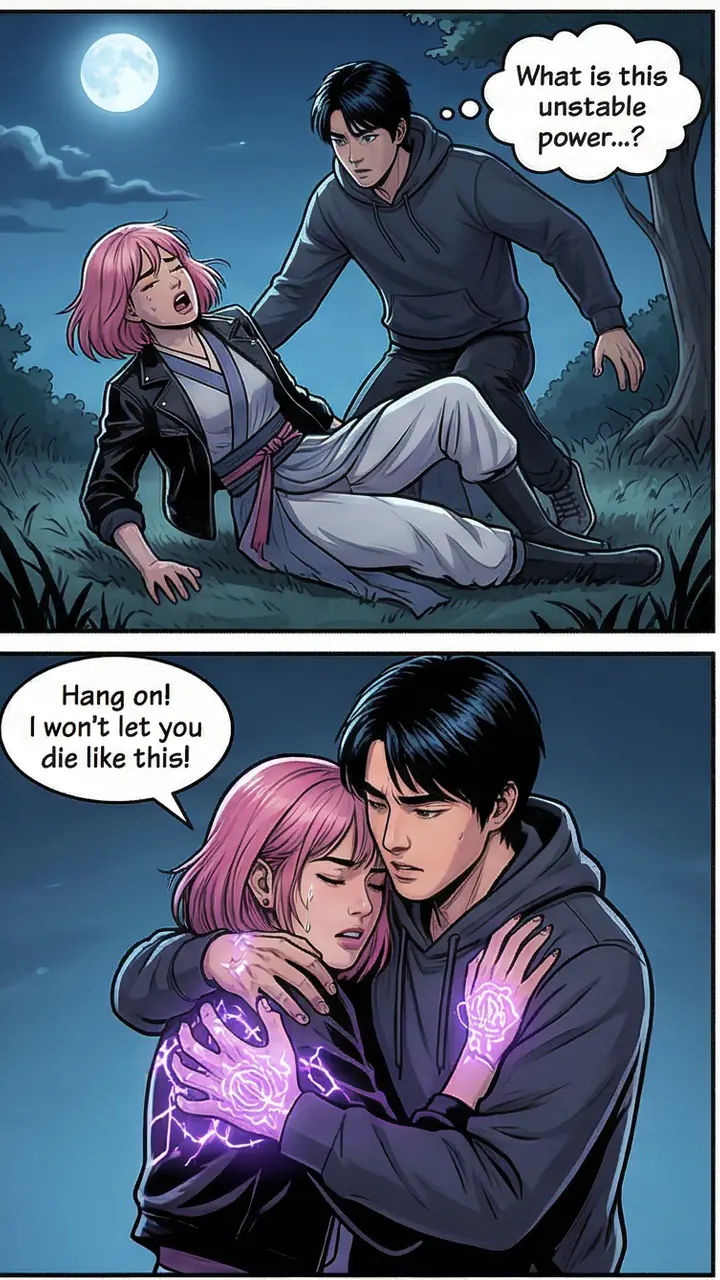
Page 2 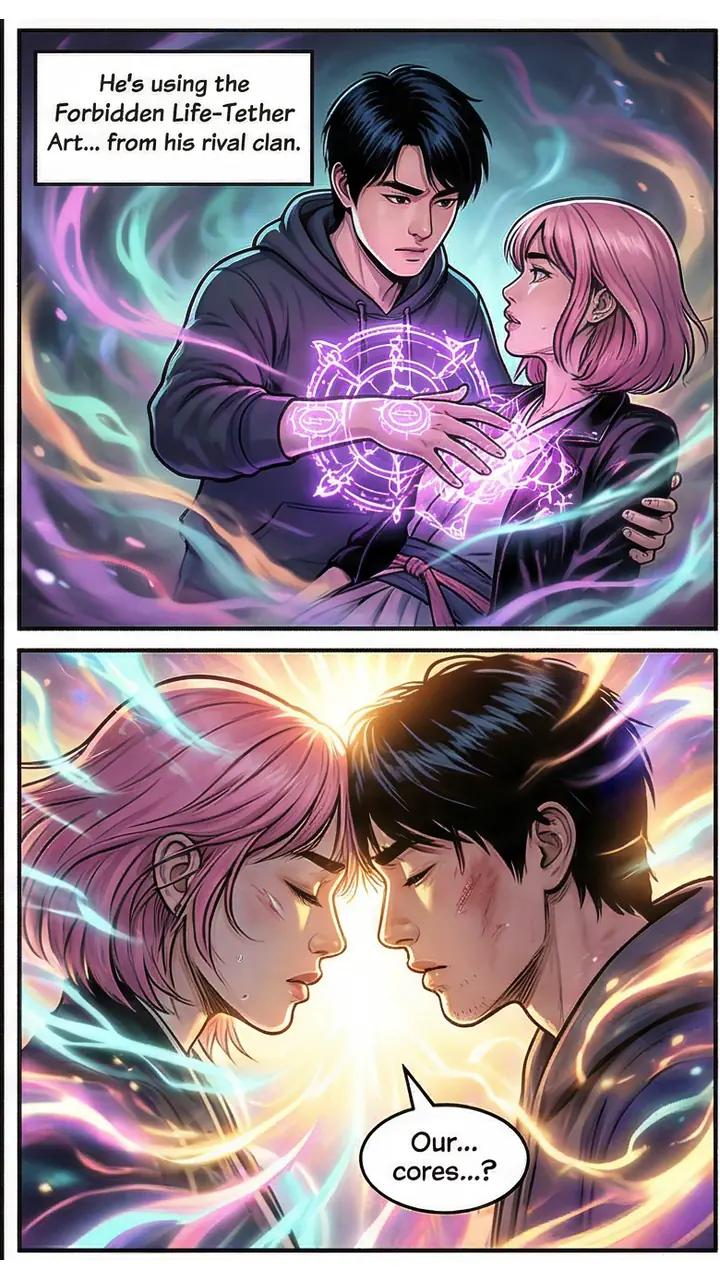
Page 3 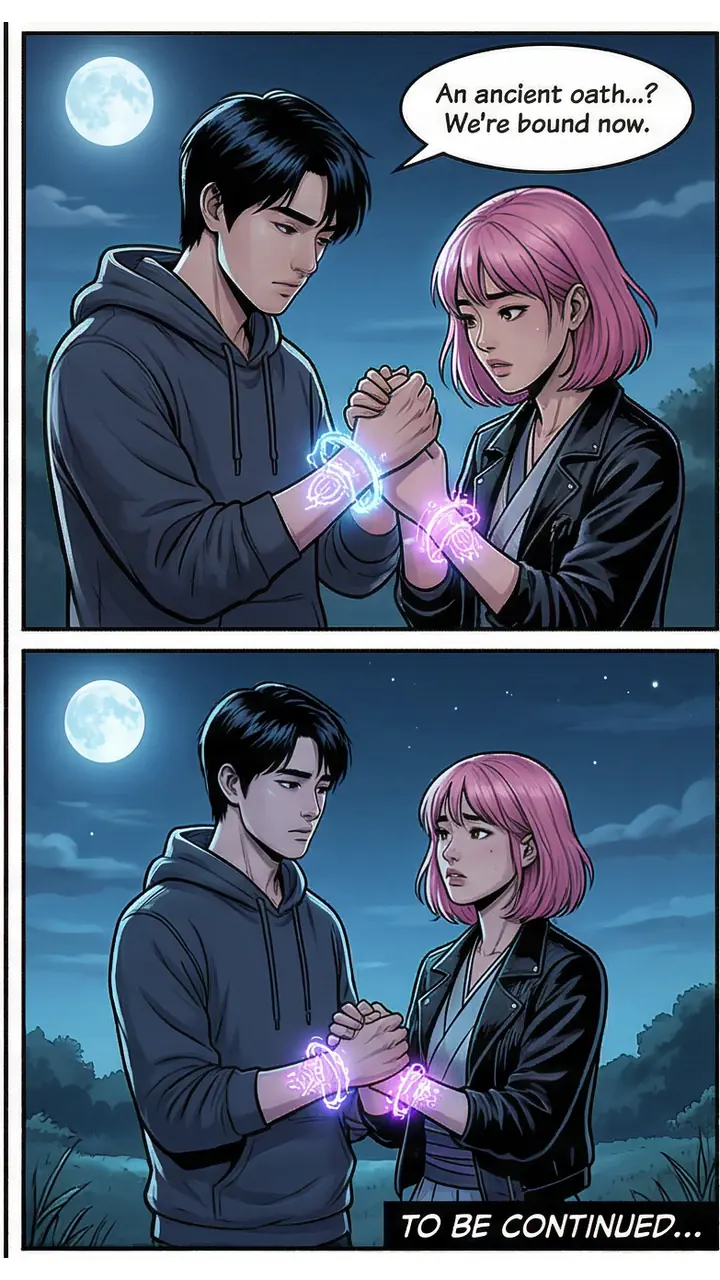
Page 4
Try each look with your own photo
Each card starts a comic with that style already picked. The cover preview is free.
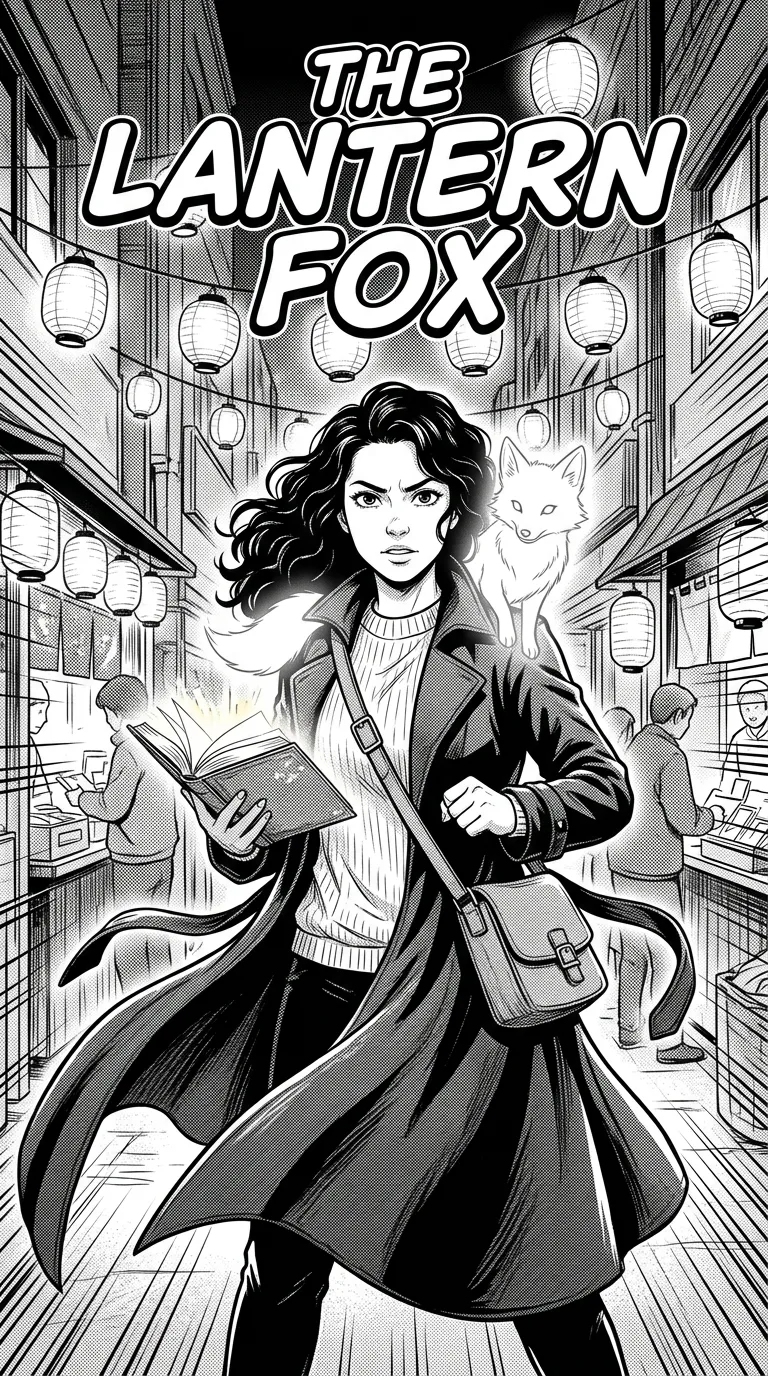 MangaBlack-and-white ink with screentone shading and speed lines, with you as the main character.Start in manga
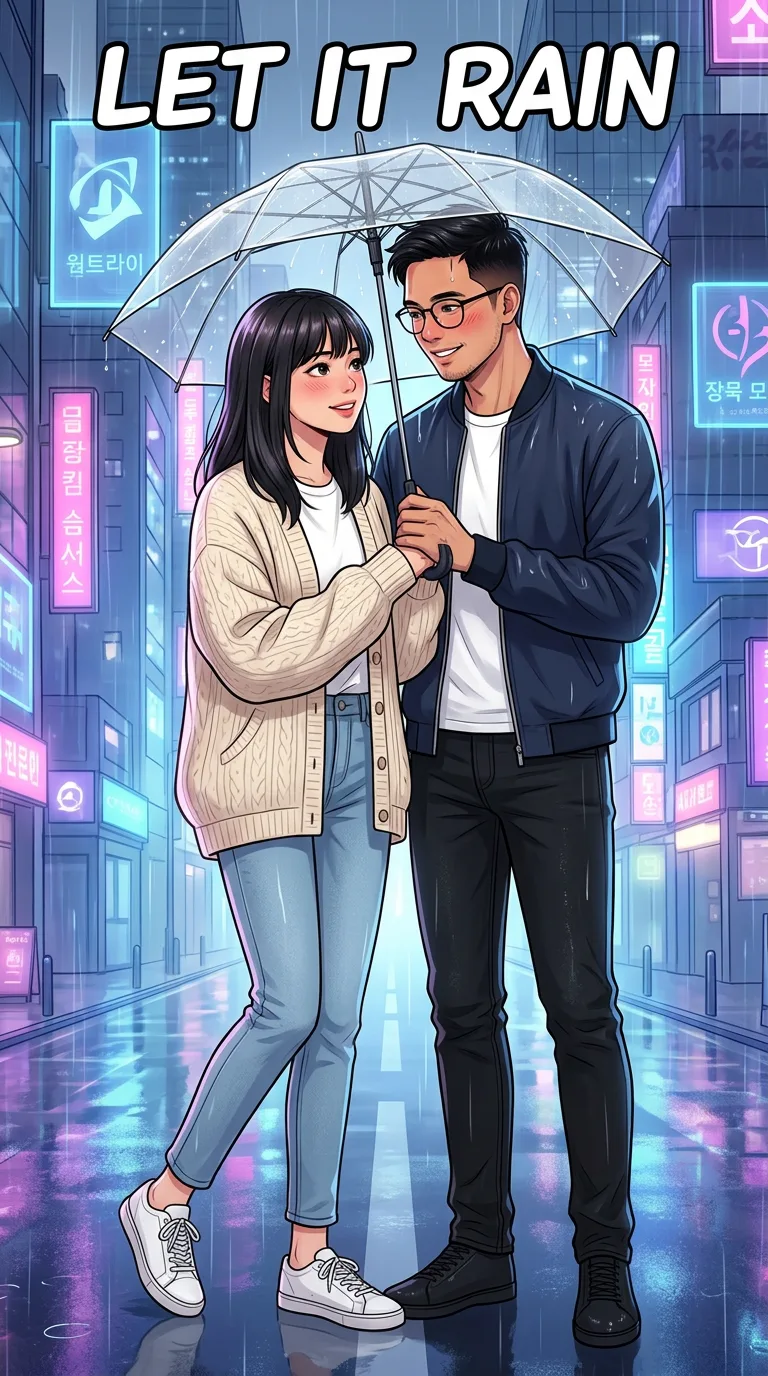 ManhwaFull-color Korean-comic art with soft gradients and glossy light, drawn as pages.Start in manhwa
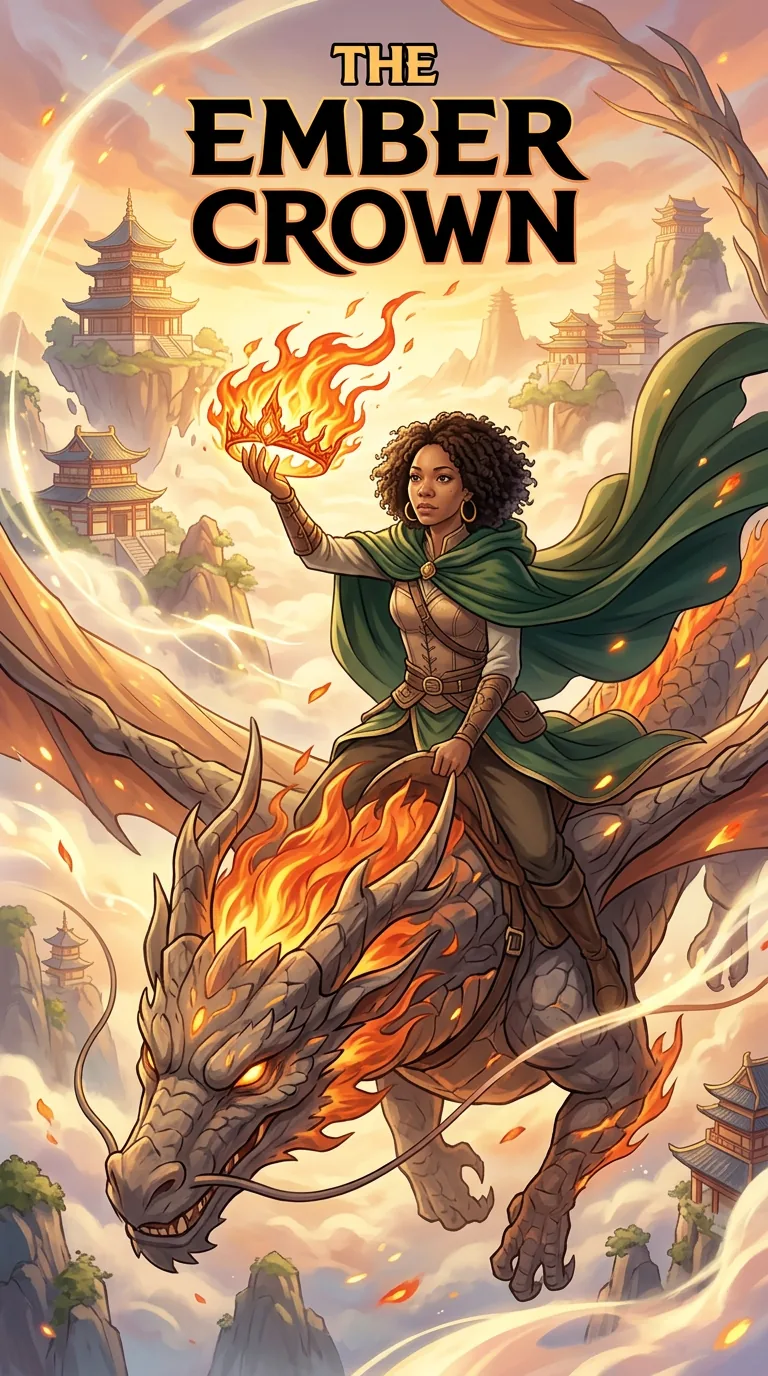 ManhuaFull-color, painterly Chinese-comic art with flowing hair and fabric and an ethereal glow.Start in manhua
Real manga, manhwa and manhua comics
Real Comicpix output in these styles: two manga, two manhwa and one manhua.
What Comicpix costs
Your cover preview is free. Web plans, billed monthly in US dollars: Starter $6.99 (2,000 coins), Plus $19.99 (6,000 coins) and Pro $54.99 (20,000 coins). Cancel anytime online.
Your photos stay private
Only for your comic
Your photo is private and only used to draw your comic.
Deleted automatically
Original photos are deleted after 7 days if you don’t unlock the comic, or 30 days if you do.
Adults create
Accounts are for adults (18+). Add a child’s photo only if you are their parent or guardian, or have their permission.
Always an illustration
Every style is drawn art. Comicpix doesn’t make photorealistic images.
Every provider involved is listed in the Privacy Policy.
Questions about manga, manhwa and webtoons
Is manhwa the same as a webtoon?
Not quite. Manhwa means a comic from Korea; webtoon means a comic made for the internet and read as one long scroll. A Korean web comic is both, while a Korean comic made for print is manhwa but not a webtoon.
Is manga always black and white?
Usually, not always: the library guide we used says Japanese manga is usually printed in grayscale. In Comicpix, the manga style is drawn in black and white; for color, pick the manhwa or manhua style.
Which way do you read manhwa and manhua?
Printed manhwa is often read from left to right, like an English comic, while manga reads from right to left. For manhua, the sources we checked give no single rule, so follow the book or app; a webtoon reads from top to bottom as one scroll.
Can Comicpix make a vertical webtoon?
No. On the web, there is no vertical-scroll webtoon format: you read a Comicpix comic page by page, online or as a PDF. If you read webtoons for the Korean-comic look, the manhwa style draws that look in full color.
Can I be the main character in a manga, manhwa or manhua?
Yes. Pick a style, add a photo and a name, choose a story, and Comicpix draws your cover in about a minute. Manga, manhwa and manhua are among the styles in the Style step, and one style is used for the whole comic.
Is it free to try?
The cover preview is free; the full comic needs a monthly plan, and you can cancel online.
Draw yourself in your favorite style
Pick manga, manhwa or manhua in the Style step, add your photo, and see your cover first.
Create your comic